Skip to content



Knowing various product photography categories is the first step toward crafting a compelling digital buying experience that highlights product value and ultimately converts your curious browsers into loyal buyers. Here are the 10 different product photography types every ecommerce business owner must adopt to build such an experience:
1. Single product photography
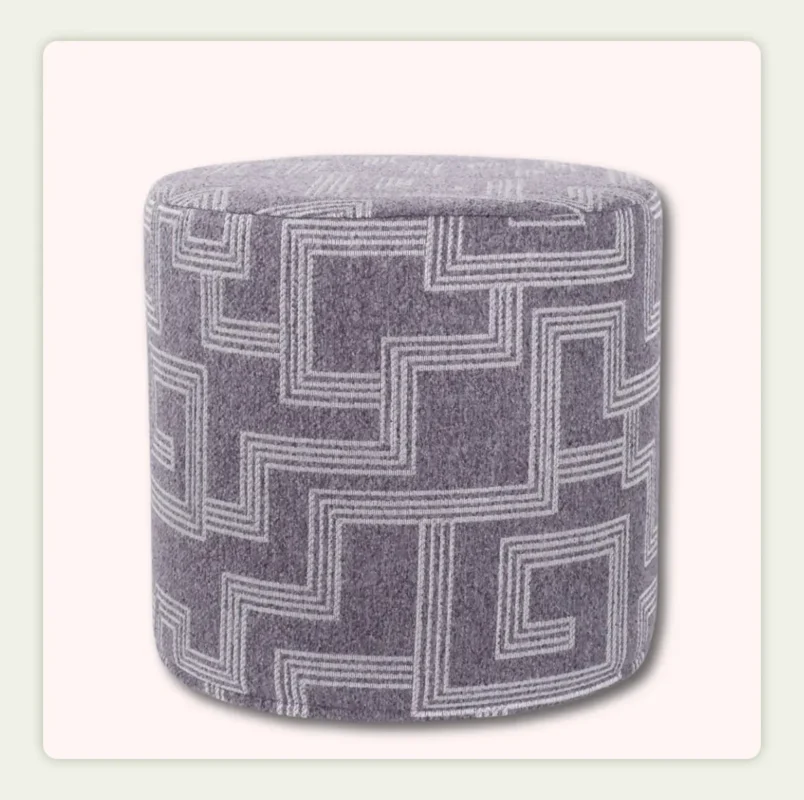
Single product photography is one of the most basic product photography types. As the name suggests, it features one product as the uncontested hero of the frame. Such types of product photos function with a single goal – “absolute clarity”. There are no distractions. No props. No competing elements. Just a crisp, clean representation of the product that helps the buyer examine the product as if it were sitting right in front of them.
How to take it:
- Use a neutral background to eliminate visual noise. Pick any light color(say, pastel colors) of your choice.
- Position the product at eye level or a slight angle for depth.
- Capture multiple angles, including front, side, back, and close-up.
- Maintain consistent framing and color accuracy across the catalog.
When to use it: Use this to convey a clear, distraction-free understanding of what the item looks like.
2. Group product photography
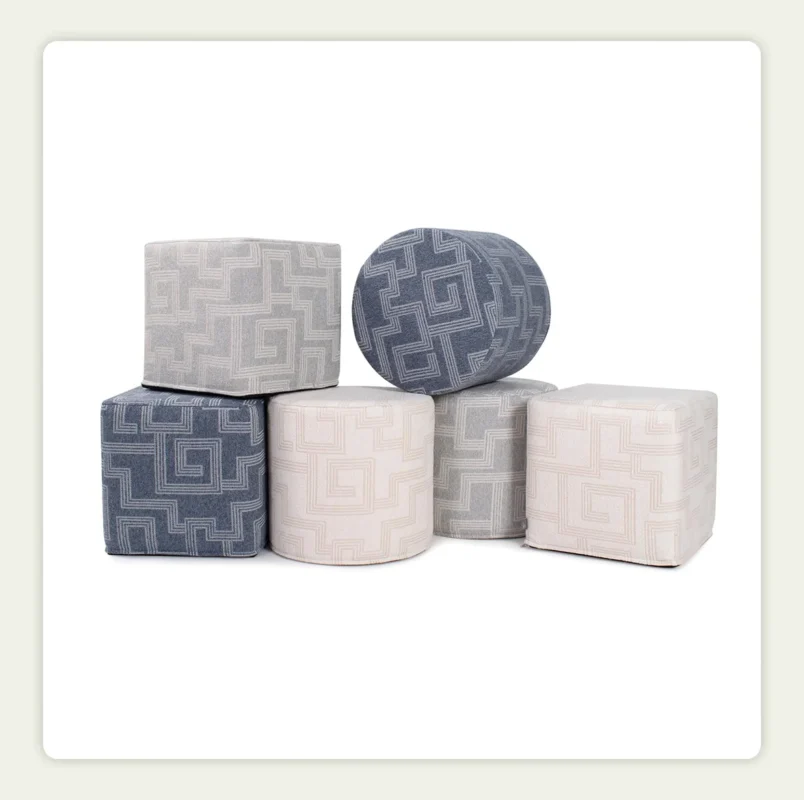
Group product photography showcases multiple products in a single frame. For instance, it could be different variants of the same item. Or it could be a curated set that belongs together(like a gift bundle). The goal of group product photography is to visually communicate the range, compatibility, and value of your products. In simple words, a group shot helps buyers understand how much variety you offer as a seller.
How to take it:
- Arrange products by visual logic (size, color gradient, category, or usage).
- Use lighting that evenly illuminates each product.
- Ensure spacing so items look intentional, not cluttered.
- Keep product labels and orientation consistent.
- Shoot from a top-down or 45° angle for a better sense of depth.
When to use it: Use it when you want to build a perception of product depth and brand scale.
3. White background photography
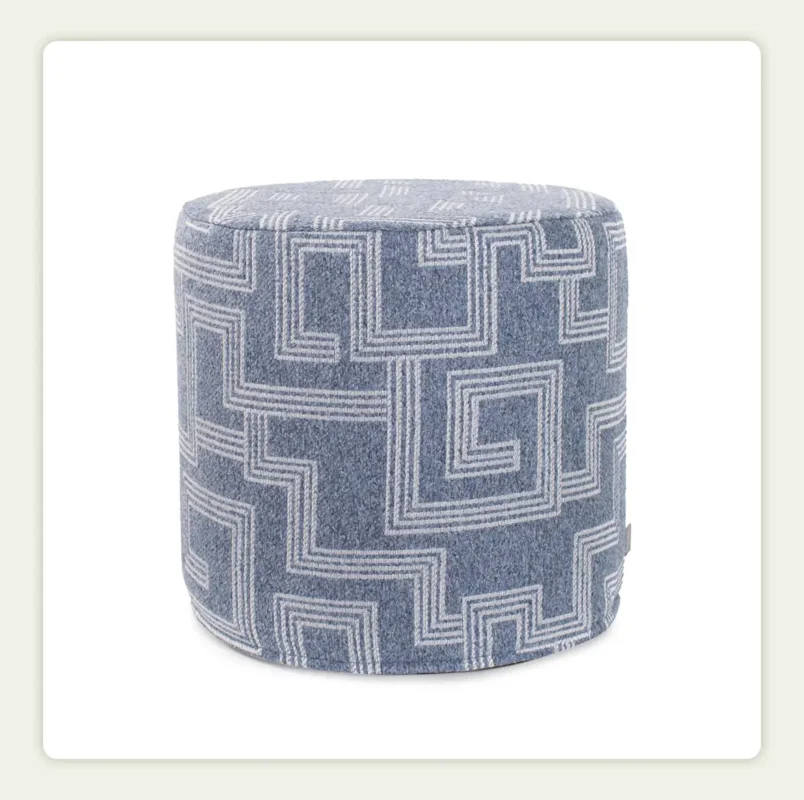
White background photos feature products placed against a seamless white backdrop. This style is the industry standard for ecommerce and online marketplaces because it removes every visual distraction. It puts the full emphasis on the product. It also ensures color accuracy and simplifies editing. The goal of white background shots is to give a uniform look across your catalog, which enhances the perception of brand professionalism.
How to take it:
- Use a white sweep or backdrop to avoid harsh lines and edges.
- Light the background separately to achieve a true white finish.
- Avoid reflections or color casts using reflectors and softboxes.
- Edit photos to ensure the background matches marketplace standards.
When to use it: Use it when you want to maintain catalog consistency and/or while listing your products on ecommerce marketplaces where a plain white background is mandatory.
4. Lifestyle photography
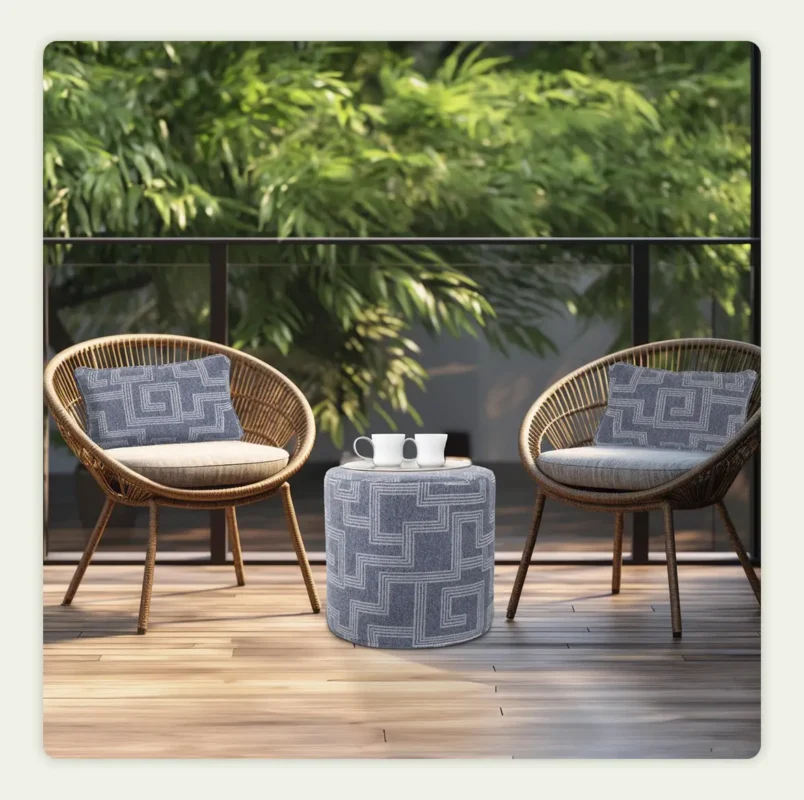
Lifestyle photos show your product being used in real-life scenarios. Instead of isolating the item, it places it in a relatable environment. For instance, it could be a shot of the product being used by someone or being used within a specific activity. The goal of lifestyle product photography is to establish an emotional connection with your potential customers. These photos help them virtually experience the product before owning it.
How to take it:
- Choose a setting that reflects the product’s intended use.
- Incorporate people or props sparingly to avoid overshadowing the product.
- Capture candid moments in real life rather than posed stills.
- Highlight important features of your product in context, like how it looks or functions.
When to use it: Use it when you want to show usage scenarios or build lifestyle aspirations around your brand.
5. Close-up photography
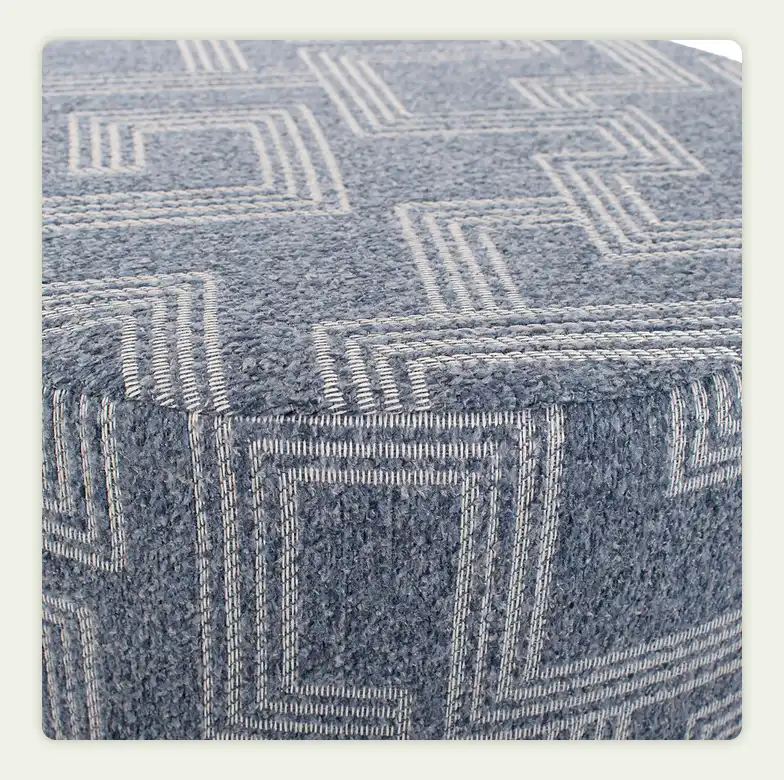
Close-up photography zooms in on minute details that are often missed in standard shots. For instance, it could be textures, stitching, material finish, buttons, engravings, ingredients, or tech components. Such types of product shots provide a tactile sense of quality and craftsmanship. It gives buyers a closer look at what sets your product apart. For hesitant buyers, these details can be the deciding factor between abandoning and completing a purchase.
How to take it:
- Use a macro lens to capture fine details without distortion.
- Ensure strong lighting to highlight textures without glare.
- Lock focus precisely on the feature being showcased.
- Use a tripod to avoid shake and maintain sharpness.
- Keep the background simple so the viewer’s eye stays on the detail.
When to use it: Use it for products where micro-features influence buying decisions, such as jewelry, furniture, home decor, watches, cosmetics, apparel, electronics, and premium goods.
Struggling with your home decor product shots? Check out this guide for some useful tips: 10 Best Practices for Home Decor Photoshoots For Higher CTR
6. Flat lay photography

Flat lay photography involves placing products on a flat surface and shooting them from directly above. This top-down perspective creates a clean and aesthetically pleasing layout. It’s especially popular in categories like food products, fashion accessories, skincare, stationery, and tech gadgets, where composition and complementary items enhance storytelling.
How to take it:
- Use a clean, consistent surface like wood or marble.
- Arrange products symmetrically or with a visual flow that guides the eye.
- Add relevant props to convey mood or purpose.
- Experiment with color palettes. Monochrome layouts usually work in most cases,
When to use it: Use it when you want to present multiple items of your product line in a visually organized manner and highlight how they relate to each other.
7. Packaging shots
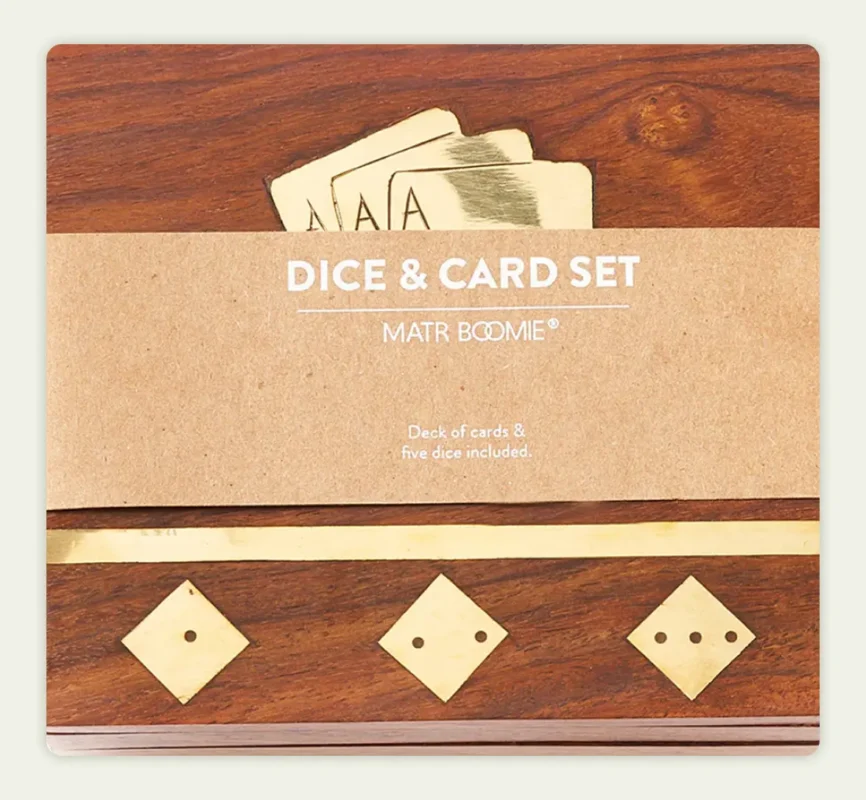
Packaging shots highlight not just the product, but its box, wrapping, labels, inserts, or unboxing experience. Today’s buyers equate packaging with quality and brand thoughtfulness. This means packaging visuals matter as much as the images of the actual products. Showcasing packaging builds trust and clarifies what’s included. You can also use it to enhance perceived value, especially for gifting and premium items.
How to take it:
- Capture both closed and open-box views.
- Ensure branding elements such as logos and fonts are crisp and readable.
- Include accessories or components that come with the product.
- Maintain angles that reveal dimension, sturdiness, and design features.
When to use it: Use it for products whose packaging influences purchase decisions, such as premium cosmetics, luxury accessories, gourmet food items, and tech gadgets.
8. Creative product photography
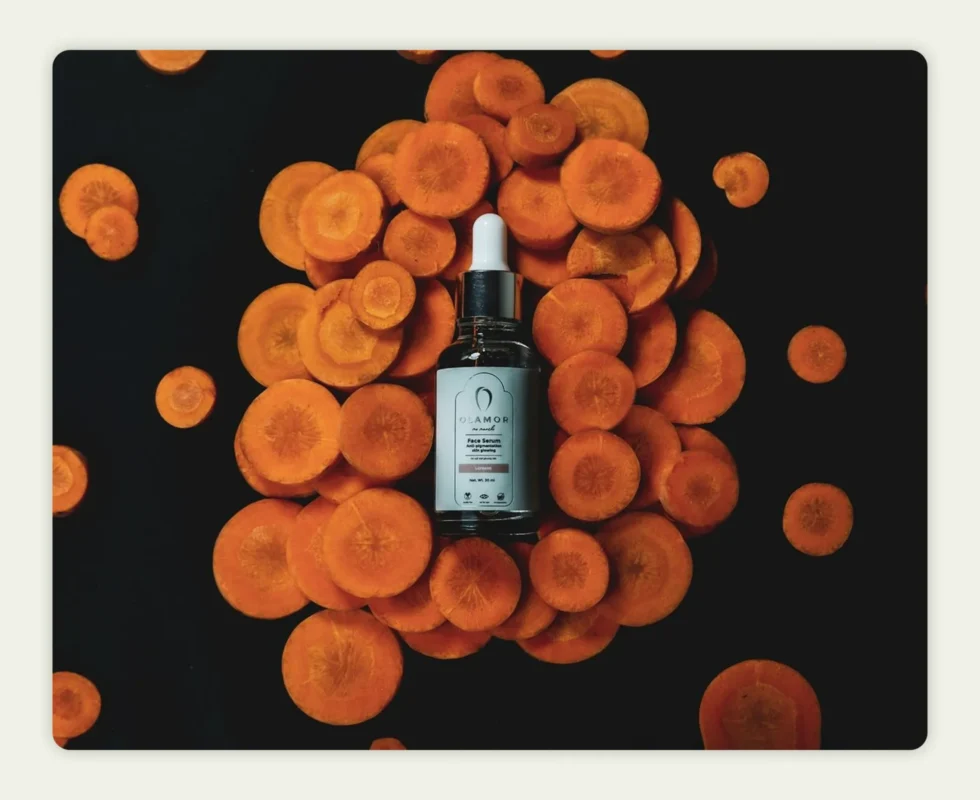
Creative product photography goes beyond realism. It incorporates artistic themes, unusual angles, special effects, dramatic lighting, or bold visual concepts that capture the viewer’s attention and express your brand’s personality. The product remains the hero, but the environment propels it from a mere object to a memorable visual experience. The goal of this photography style is to spark curiosity and make your products instantly recognizable.
How to take it:
- Use unexpected props, textures, or color palettes to build visual intrigue.
- Experiment with dramatic lighting, visual effects, shadows, and reflections.
- Play with different angles, levitation shots, smoke effects, or motion blur.
- Maintain a clear focal point. Creativity shouldn’t overshadow the product.
- Keep branding elements consistent so the images feel cohesive.
When to use it: Use it when you want to create buzz around your brand and make your products unforgettable.
9. 360° photography
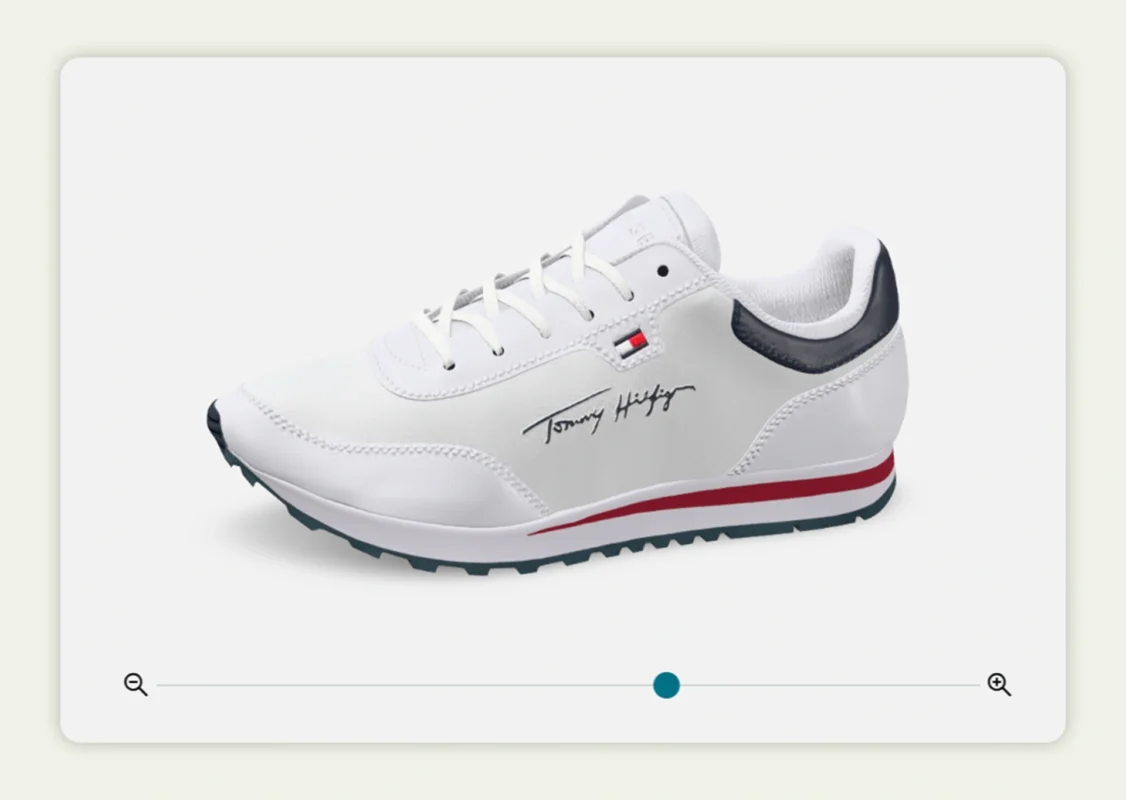
360° product photography captures a series of images from multiple angles and stitches them into an interactive, rotatable model. It allows buyers to spin the product and inspect every inch. In other words, it simulates an in-store experience. This immersive format reduces ambiguity and gives customers full confidence about what they’re buying. This is particularly helpful for items where structure and build matter.
How to take it:
- Use a turntable for smooth product rotation and consistent angle capture.
- Maintain uniform lighting and a neutral background.
- Shoot in increments (usually 24–72 frames) for seamless motion.
- Ensure sharp focus and consistent exposure across all shots.
- Use editing software to stitch images into a 360° viewer.
When to use it: Use it when you have high-value or detail-driven products like electronics, furniture, footwear, machinery parts, and luxury items where customers want a thorough visual inspection before purchase.
Want tips to master your furniture photography game? Check this out: A Complete Guide to Furniture Photography for Wholesalers.
10. Ghost mannequin photography
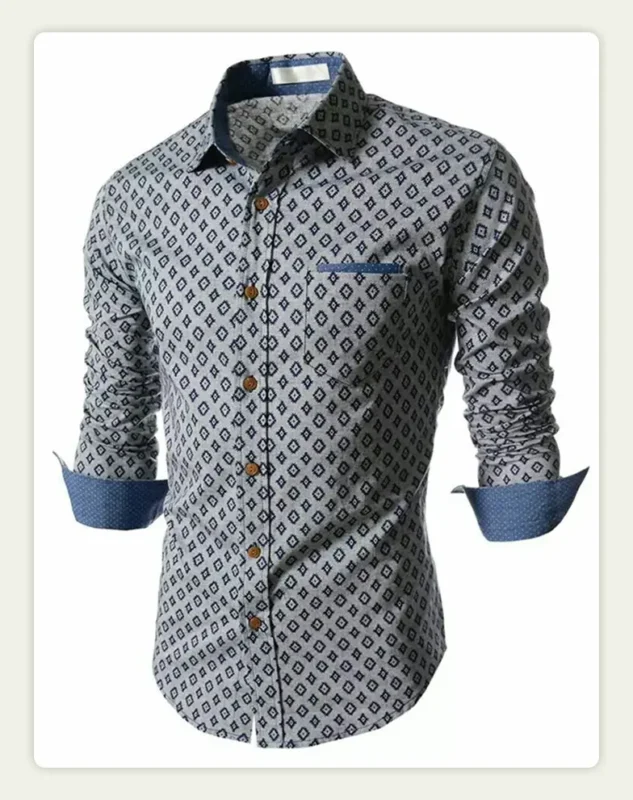
Ghost mannequin photography creates the illusion that clothing is worn by an invisible model. By photographing apparel on a mannequin and then digitally removing the mannequin, you retain natural shape and fit. You also eliminate distracting human presence. The result is a clean, floating garment that shows how the product sits on a body. It offers a far more realistic representation than flat or folded images.
How to take it:
- Use a mannequin that closely matches your target sizing.
- Capture multiple angles, such as front, back, side, and close-ups of key elements.
- Shoot additional interior shots (e.g., collars, cuffs, etc.) for precise edits.
- Maintain consistent lighting to avoid shadows during removal.
- Edit carefully to eliminate mannequin traces and retain natural garment contours.
When to use it: This type of product photography is well-suited for fashion ecommerce stores that want to show fit and structure clearly without hiring models for every SKU.
Challenges with product photography for ecommerce brands
While incorporating the above types of product photography in your ecommerce business can help drive conversions and create a compelling online presence, it doesn’t come without its hurdles. Here are some of the most common challenges you might face while taking different types of product shots:
- Escalating costs: Professional shoots, equipment, props, models, and editing can quickly drive your expenses, especially when your catalog expands.
- Time-intensive process: Planning, shooting, and iteration consume significant time. They can often delay your product launches.
- Inconsistent output: Variations in lighting, color palette, angles, and editing styles across shoots can hurt brand consistency.
- Limited creative flexibility: Traditional photoshoots often restrict experimentation. This is mainly due to budget and time constraints.
- Dependency on external vendors: More often than not, brands outsource photography to 3rd party service providers. This invariably introduces delays and coordination issues.
- Logistical constraints: Transporting products and managing inventory movements can add to operational friction.
Why AI is the way to go for product photography
AI-driven product photography is the definitive solution to all the above challenges associated with traditional product photography. Instead of wrestling with rising costs, time-consuming setups, logistical hurdles, and inconsistent outputs, you can now automate the whole process and let a powerful algorithm do the heavy lifting.
With AI platforms, you can generate studio-grade visuals on demand, just with a product image and a creative prompt. This means you can scale content at a fraction of the cost and time previously required, opening doors to creativity and consistency that were once impractical or prohibitively expensive. Here is a quick summary of all the benefits you can enjoy by using AI platforms to generate different types of product photography for your ecommerce business:
- You can create publication-ready images in minutes, not weeks.
- No more studio rentals, equipment, and props, reducing your operational cost.
- You can add thousands of SKUs without multiplying effort or resources.
- Thanks to automated enhancements, every shot looks professionally edited.
- Exploring new concepts and styles is now possible without time-consuming reshoots.
- It’s now easy to maintain a unified aesthetic across your catalog regardless of volume or product diversity.

Generate product photos at scale with WizStudio
Still think product photography needs expensive DSLR cameras, studios, props, and endless retakes? Think again. AI-powered platforms like WizStudio can turn your product shots into studio-quality visuals, minus the time and hassle. From lifestyle scenes to multi-SKU compositions, everything is possible using WizStudio.
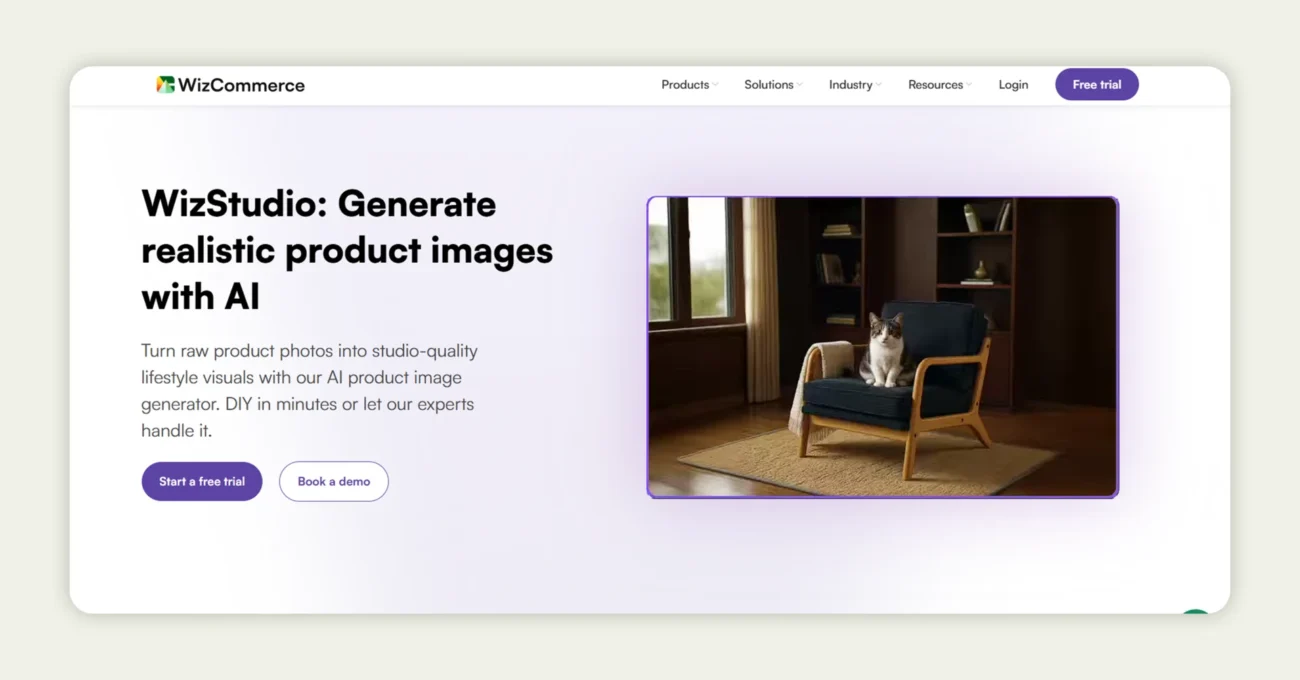
Among the countless AI product photo generators out there in the market, here’s what sets WizStudio apart:
- Lifestyle image generator: You can instantly convert plain product shots into polished lifestyle visuals. Upload your image, describe the setting, and our AI engine will build a studio-grade composition tailored to your brand aesthetic.
- Multiproduct staging: Use WizStudio to create scenes with multiple SKUs. This is a perfect choice for creating group photo shots.
- AI Enhancement Toolkit: WizStudio doesn’t stop with image generation. You can effortlessly edit your image, too. Add realistic shadows, extend backgrounds, remove distractions with a magic eraser, or produce precise line drawings with dimensions.
- Hybrid done-for-you plan: If you’d like an extra layer of creative refinement, our in-house experts can step in. They will enhance your AI-generated visuals, adding professional nuance and stylistic polish that make your images publish-ready.
So, if scaling visual content without scaling costs sounds impossible, it’s not anymore. WizStudio proves it. Start a free trial and find out for yourself.
Frequently asked questions
1. What type of photography is used to sell a product?
White background product photography was once the simplest and most widely adopted approach for showcasing products to sell. However, in today’s visually driven marketplace, it no longer suffices. To truly influence purchase decisions, you must adopt additional formats such as lifestyle photography, flat lays, and 360 degree product photography that offer richer context about your products.
2. How to make product photos stand out?
To make your product photos stand out, you need to ensure the composition is clean and the products are well-lit. Incorporate lifestyle settings, dynamic angles, and color contrast to add personality. Enhance them further with realistic shadows and contextual storytelling. All these can turn your simple product shots into memorable, scroll-stopping assets.
3. How to photograph products to sell?
Start with proper lighting and use a neutral background. Shoot from multiple angles and highlight unique features. Ensure colors match real-life expectations. Add lifestyle scenes for context and edit images for polish. Ultimately, your product photography shot list should comprise visuals that answer buyer questions and reduce hesitation before purchase.
4. What kind of photography sells the best?
Lifestyle product photography consistently performs best. This is mainly because it is an effective way to showcase products in real use, making them more relatable and desirable. Customers connect more strongly with visuals that demonstrate purpose and fit. While clean white background shots are useful in conveying the features of the products, lifestyle-driven imagery is usually the type that drives higher engagement and conversions.
5. Which type of photography refers to capturing products?
The photography category dedicated to capturing products is product photography. It focuses on presenting items accurately and attractively for catalogs and ecommerce listings. This style emphasizes lighting and clarity to help customers understand the product and make confident purchasing decisions.
6. What is the product photography trend for 2026?
In 2026, AI-driven product photography is the dominant trend. Brands are moving away from costly studio shoots toward AI-generated lifestyle scenes and automated edits. The focus is on scalability and producing high-quality visuals in minutes. This allows ecommerce brands to launch products faster and experiment creatively without traditional limitations.