Skip to content



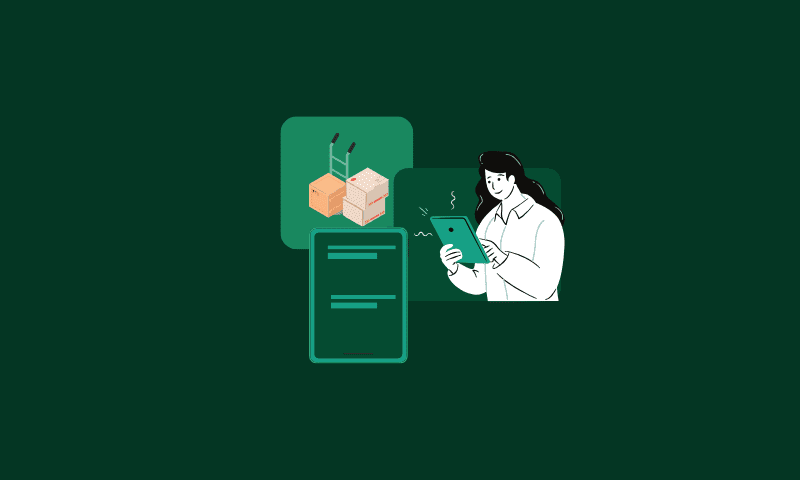
When it comes to distribution, efficiency is key. The faster and more accurately you can move products from your warehouse to your customers, the more competitive you can be in today’s fast-paced business environment. One way to boost efficiency in distribution is by implementing ERP systems. In this blog post, we’ll discuss how ERP solutions can help boost efficiency in wholesale distribution.

What is Enterprise Resource Planning?
An ERP system is a software solution that integrates various business processes into a single system. This includes processes, such as finance,inventory management, procurement, and supply chain management. By consolidating these processes into a single system, an ERP system provides a unified view of the organization and enables better decision-making.
Boosting Efficiency in Distribution with ERP Systems
Here are some ways in which an ERP system can help boost efficiency in distribution:
Streamlined Order Processing:
An Enterprise Resource Planning system integrated with B2B wholesale order management software to streamline the order processing workflow, from order entry to invoicing. This reduces the likelihood of errors and eliminates the need for manual data entry, which can be time-consuming and error-prone.
Improved Inventory Management:
With its use, a business can improve inventory management by providing real-time visibility into inventory levels, location, and movement. This helps reduce the risk of stockouts and overstocking, leading to lost sales and excess inventory carrying costs.
Enhanced Shipping and Logistics:
An ERP system can help enhance shipping and logistics by integrating with shipping carriers and providing real-time tracking information. This enables companies to make better shipping decisions and ensure that products are delivered on time.
Better Supply Chain Management:
ERP systems can help improve supply chain management by providing visibility into the entire supply chain. This includes supplier performance, lead times, and inventory levels. This helps companies identify potential bottlenecks and make better sourcing, transportation, and inventory management decisions.
Improved Customer Service:
An ERP system can help improve customer service by providing real-time visibility into order status, inventory availability, and shipping status. This enables companies to provide better customer service by providing accurate and timely information to customers. Buyers can check the same details themselves when an e-commerce platform built for distributors sits on top of the ERP and reads stock, pricing, and order status live. An ERP records what was ordered and shipped. It does not record the conversation around it — who asked for the expedite, what was promised on the call, or when an account is due for a check-in. That sits in CRM solutions for distributors, running alongside the ERP rather than inside it.

Conclusion
An ERP system can help boost efficiency in distribution by streamlining order processing, improving inventory management, shipping and logistics, supply chain management, and customer service. By implementing an ERP system, companies can gain real-time visibility into their operations, reduce the likelihood of errors, and make better decisions about their distribution operations. If you’re looking to boost efficiency in your distribution operations, consider implementing an ERP system today.
Frequently Asked Questions
What is ERP distribution?
Enterprise Resource Planning software in distribution is a centralized system that integrates all core business processes like inventory management, order fulfillment, and accounting. It acts as the operational backbone that connects different departments into a single digital environment.
Why is ERP useful in the distribution industry?
The distribution industry involves managing high volumes of moving parts, including complex supply chains and massive product catalogs. An ERP system is highly useful because it provides real-time visibility into stock levels, prevents overselling, and automates tedious administrative workflows.
Why do distributors need ERP software?
Distributors need ERP software to eliminate data silos and reduce manual errors that occur when using disjointed spreadsheets or legacy systems. When paired with an automated order entry platform like WizCommerce, an ERP ensures that complex incoming purchase orders flow seamlessly into the fulfillment queue without manual retyping.
What are the benefits of ERP for distribution companies?
Key benefits include improved inventory accuracy, faster order processing times, better financial reporting, and enhanced customer satisfaction. By streamlining operations, distributors can scale their business and handle higher order volumes without having to drastically increase their headcount.
How does ERP help in distribution management?
It helps by automating routine tasks and providing a single source of truth for all business data. This allows managers to track orders from the moment they are placed to final delivery, ensuring that resources are allocated efficiently and fulfillment delays are minimized.
How do distributors use ERP for supply chain management?
Distributors use ERP platforms to forecast demand, track supplier performance, and manage purchasing workflows. The system helps them maintain optimal stock levels by automating reorder alerts, which reduces the risk of stockouts while minimizing excess inventory holding costs.