Skip to content


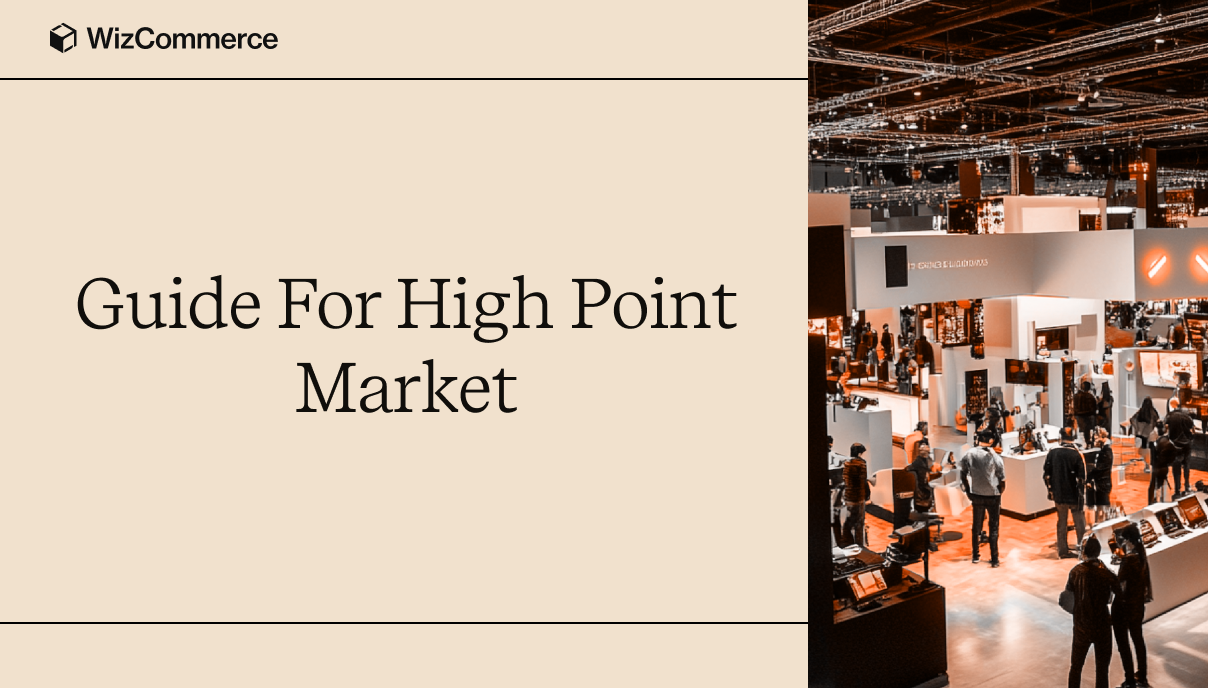
Twice a year, the home furnishings industry squeezes into one North Carolina city for five days of back-to-back showroom appointments. Buyers walk miles of showrooms, reps write orders between meetings, and every brand competes for the same few minutes of a buyer’s attention.
The brands that do well at High Point Market rarely leave it to chance. They book appointments weeks ahead, give buyers a reason to step inside, and write orders on the spot. The ones that rely on paper order pads and a stack of business cards spend the week after market rekeying orders into the ERP while their leads go cold.
This guide covers what the High Point furniture market is and when it happens, what stood out at the latest markets, a pre-show checklist, email templates, booth ideas, how to work the floor, and a follow-up plan that turns conversations into orders.
What is the High Point Market?
High Point Market is the grandest home furnishing industry trade show around the globe. It hosts two eminent shows every year, categorized into Spring and Fall markets respectively. Formerly known as the International Home Furnishings Market and, before that, the Southern Furniture Market, it dates back to 1909.
The High Point Market takes place twice a year in High Point, North Carolina, USA. The market spans more than 11.5 million square feet of showroom space, with over 2,000 exhibitors participating.
Yes, attendance was down. Everyone we spoke to confirmed it. According to official figures, designer attendance was down by 7% compared to the Fall Market, likely due to ongoing economic uncertainty. International buyers saw an even sharper drop—down 14%—reflecting broader global concerns.
When is High Point Market? Upcoming dates
The High Point Market holds two major shows each year in April and October. They are widely referred to as Spring and Fall Markets, respectively. Here are the most recent and upcoming dates from the High Point Market Authority. Check the official site before you book travel, since schedules can change.
| Market | Dates | Location |
| Fall 2026 (held) | October 17–21, 2026 | High Point, NC |
| Spring 2027 | April 10–14, 2027 | High Point, NC |
| Fall 2027 | October 23–27, 2027 | High Point, NC |
| Spring 2028 | April 22–26, 2028 | High Point, NC |
| Fall 2028 | October 21–25, 2028 | High Point, NC |
Some temporary exhibit buildings open a day early. At the Fall 2026 market, SALON, Suites at Market Square and INTERHALL opened on Friday, giving buyers six full days to shop.
Latest High Point Market takeaways and trends
Every market says something about where the industry is heading. Here is what stood out at the most recent shows. We update this section after each market.
Fall 2026: steady traffic and a stronger designer focus
The Fall 2026 market ran October 17–21, a week earlier on the calendar than usual. According to High Point Market Authority data reported by Business of Home, overall registration rose 3% over spring and buyer company registration rose 2%, while attendance from large retailers dipped 1%.
The mood was steady rather than packed. Luxury and designer-focused showrooms stayed busy, and many brands put more into hospitality and merchandising for the trade. Shipping delays left some new pieces at sea or in port, so a few showrooms displayed photos of the missing products instead.
Showroom technology was everywhere, including scanners that generate instant quotes, signs that send a tear sheet to a buyer’s phone, and AI-generated brand videos. On the design side, Houzz editors called out statement beds with towering headboards, Americana-inspired patterns, a return of pink, mixed materials, chrome accents, plush pillow-like seating and sculptural dining table bases.
Spring 2026: tariffs, pricing and AI
At the Spring 2026 market, designer attendance was down by 7% compared to the Fall Market, likely due to ongoing economic uncertainty. International buyers saw an even sharper drop (down 14%), reflecting broader global concerns.
Still, the buyers who showed up were focused, came with intent and placed orders. Brands that invested in pre-show outreach and had visible, well-designed spaces saw strong footfall.
Tariffs were top of mind for many brands walking the floor. Brands sourcing heavily from China were beginning to consider alternatives, from Vietnam to India to domestic production. Wholesalers sourcing from China have started raising prices or are planning to do so soon. Many communicated those changes before the show via email campaigns or order cut-off deadlines. Brands handled pricing in one of three ways.
- Some are clearly communicating tariff-driven price hikes and urging buyers to act quickly.
- Others are emphasizing that their prices won’t go up, highlighting their non-China sourcing as a competitive edge.
- And some are using the looming tariff hikes as a sales tool, telling buyers to “Buy now while it’s still cheaper because prices will go up next month.”
If tariffs were the biggest source of concern in this Market, artificial intelligence was the biggest source of opportunity. Three AI use cases came up again and again in showroom conversations.
- AI-generated lifestyle imagery: WizCommerce’s lifestyle image generator lets brands upload a basic product photo, and in minutes, generate polished, on-brand lifestyle imagery. Brands skip the studio rental, crew and staging entirely.
- AI-powered image search: in a B2B order-taking app, a rep can snap a photo or upload a rough sketch, and instantly pull up the matching item along with similar SKUs from the catalog.
- Automated order entry via AI: AI reads order data from emailed purchase orders and PDF forms and pushes it directly into the ERP, so wholesalers can eliminate hours of manual entry.
Trends that show up at every High Point Market
Some themes return market after market, whatever the season. They are worth planning around whichever season you exhibit.
- Immersive sensory experiences: Exhibitors used live music to enhance the ambiance, create a lively experience, and draw attention to the booths. Lighting is used just as deliberately to spotlight art, sculpture and hero pieces.
- Creating a sanctuary: Products were curated to show how they might appear in a home, including pairing them with appropriate lighting and other complementary items. This way, if a buyer is interested in one piece, they can easily see all complementary items nearby.
- More seating areas for conversations: exhibitors create welcoming environments with good seating, drinks, and other amenities so buyers stay longer and conversations go deeper.
- Increased use of technology: Many exhibitors used product scanning to quickly and accurately capture product information and buyer-badge scanning to track booth activity for personalized follow-up marketing. Digital ordering using tablets allowed representatives to move around the room with clients, providing real-time ordering and consultation.
- Focus on buyer engagement: Exhibitors set up drink stations, offered refreshments, and snacks, and threw lunches and after-parties to increase engagement.
How to prepare for High Point Market: a pre-show checklist
Most of what happens at the market is decided in the months before it. Work through this list well ahead of opening day.
1. Set clear goals, KPIs and budgets
Make sure your goals are aligned with your sales and marketing teams. While lead generation and sales are the two most common trade show goals, according to 85% of exhibitors, your key objectives could be anything from brand awareness to generating sales. Set your budget early, then make sure you have accounted for all the expenses including hotel bookings, dining reservations, booth set-up costs, promotional materials, giveaways, and so on.
2. Build targeted buyer lists
Ensure that you have created lists of people you want to target at the High Point Market and categorized these clients into new, existing, and churned to create specialized efforts for each category. Determine which attendees are most likely to interact with you or place orders with you and go in with a personalized approach. These lists also drive your pre-show emails and appointment booking.
3. Book travel, hotels and meeting rooms early
Bookings for flights and accommodations need to be done 6 months in advance. Hotels and flights go quickly, since everything gets booked up fast because of the huge crowds the market draws in. If you think you need meeting rooms in addition to your High Point Market booth for further discussions with your clients, you should get those bookings done several months before the trade show. Reserve tables for larger groups early too, since popular restaurants fill up fast. The market also runs free shuttles from the GSO, RDU and CLT airports and more than 90 partner hotels.
4. Study the floor plan and plan your route
Make sure you obtain a copy of the market floor plan in advance and familiarize yourself with the layout, including key landmarks, entrances/exits, and rest areas. Also, locate your booth on the floor plan, and identify the locations of competitor booths, restrooms, food courts, and seminar rooms. Download the official High Point Market app, MyMarket. It allows you to search exhibitors by category, price point, style, and building.
5. Confirm booth design, equipment and shipping
Now, it’s time to make sure you double-check the specifics of your booth space, including dimensions, location within the venue, and any additional amenities or services included in your package. Make a checklist of all necessary booth equipment that has to be there like shelving units, lighting fixtures, flooring materials, and audiovisual equipment. Whatever equipment you are shipping, check with your shipping carriers or logistics providers to ensure safe and timely delivery.
Booth technology needs its own plan, since connectivity, offline order writing, lead capture fields and the ERP handoff all have to work on day one. A trade show booth checklist with a due date for every item keeps each one on track.
6. Prepare promotional materials and giveaways
Having attractive flyers, banners, and brochures with clear messaging about your product offerings is a great way to entice visitors. 88% of recipients of promotional products can recall the name of the business that supplied them, according to Promotional Products Association International (PPAI). Printed trade show marketing materials like line sheets, banners and business cards still do a lot of work in a busy showroom.
7. Check inventory and launch-ready products
Now, take stock of your current product inventory and make sure they are all in stock. Also ensure that if you plan to launch any new products at the market, they are ready to go.
8. Assign and train booth staff
Designate roles such as greeters, product demonstrators, sales representatives, and customer service assistants. Review product features, sales techniques, and customer service protocols to ensure consistency across interactions. Make sure every rep can write an order, check live inventory and capture a lead on the same device before the doors open.
Pre-show email templates that bring buyers to your showroom
According to 42% of exhibitors, email marketing before the trade show is an effective way to draw attention to their displays. A simple cadence works well, starting with a first email four to six weeks before market, a reminder two weeks out and a final nudge a few days before. Give every email one clear reason to visit and one way to book time with your team.
1. Entice your prospects with an exclusive deal
A good deal gives your loyal customers an extra incentive to find your High Point showroom. Let them know that when they swing by your booth, all they have to do is mention this email to redeem the special offer.
Subject: An exclusive High Point offer for [Company]
Hi [First name], we will be at High Point Market from [dates] in [building and showroom number]. As one of our valued buyers, you get [offer] on orders placed at the showroom. Just mention this email when you stop by, or reply to book a time that works for you.
2. Flaunt your signature collections
Buyers at the High Point Market are on the hunt for new ideas and trends. That is why carefully curated collections are bound to attract attention. Send an invite that showcases your themed collections to frequent buyers and new prospects alike.
Subject: Preview our new collections before High Point
Hi [First name], this season we are debuting [collection name], [one-line description]. Here is a first look at three favorites [images]. See the full collection at [showroom] from [dates], and reply to reserve a walkthrough with our team.
3. Tease a new launch
Your early adopter visitors will not be able to resist a new launch. Sending an email highlighting your latest product offerings is a great way to make sure your frequent buyers and prospects end up at your booth.
Subject: Something new is coming to High Point
Hi [First name], we are launching [product or category] at High Point Market, and you will be among the first to see it. Stop by [showroom] on [day] for the reveal, or reply and we will hold an appointment for you.
4. Invite prospects to a hot event
Events at High Point Market are highly anticipated. Be the exhibitor known for throwing an awesome party and pre-invite your prospects, one-time visitors, and loyal customers to participate, socialize, network and unwind after a long day on the floor.
Subject: You’re invited: [event name] at High Point
Hi [First name], join us on [day and time] at [showroom] for [event, such as cocktails, lunch or a designer talk]. It is a relaxed way to see the new line and catch up with our team. Reply to this email to RSVP.
High Point Market booth ideas that draw buyers in
With around 2,000 exhibitors competing for the same buyers, a well-stocked showroom needs a reason for buyers to step inside. The vendor booth ideas that work best at High Point lean on hospitality, interaction and something buyers will talk about in the next building.
1. Host an event within the event
Hosting an event has to be one of the greatest avenues to attract visitors to your booth. It’s always a great idea to be known for the best food, because word of mouth travels fast between showrooms. You can capitalize on this by hosting a great lunch in your showroom. Throwing an after-party can be a great avenue to meet and connect with your prospects in a relaxed setting.
With the right planning and budget, immersive event experiences can create buzz that lasts long after the Market ends. At Spring 2026, Uttermost’s 50th anniversary celebration stood out as a masterclass in experiential marketing. If an event is out of budget, create a relaxing space in your booth that is rid of sales activities and is a space for a little bit of privacy and quiet networking.
2. Add games and friendly competition
A dash of healthy competition with a sprinkle of prizes keeps people in your showroom longer. You can set up a spin the wheel game or any carnival game (darts, ring toss, shooting gallery) with prizes like custom branded giveaways, gift cards, or discounts on your home furnishing products. Another simple and effective idea is the visiting card raffle, and the upside is that you leave with everybody’s contact details. Interactive trade show booth games like trivia and scavenger hunts give buyers a break from walking and a reason to linger.
3. Establish a great brand presence (mascots and giveaways)
Another great way to establish a brand presence is through giveaways. Themed gifts suit a home furnishings crowd, such as scented candles, eco-friendly seed planters, diffusers, and so on. Practical picks work too, like branded tote bags your visitors will end up needing as they visit 100s of booths in a day. Plan your trade show giveaways around the accounts you most want to win, not the total number of visitors.
4. Create immersive experiences
Creating a sensory experience is a great way of going the extra mile to create a memorable demonstration. Olfactory sensory experiences can be used to create emotional associations with your brand. And when we are talking about home furnishing, the possibilities are infinite; for instance, using fresh cedar wood fragrance for a furniture exhibit.
Interactive elements work just as well as scent and sound. You can replace traditional catalogs with interactive digital catalogs or touchscreen displays. Buyers can easily browse through your product offerings, access additional information, and place orders directly at the booth. Augmented reality takes it further by letting buyers place your pieces in their own spaces on a phone or tablet.
5. Try guerrilla marketing outside your showroom
Guerrilla marketing is the most unconventional option on this list. Simply stated, it involves using unconventional and creative tactics to surprise visitors and drive curiosity. At High Point, that can mean organizing flash mobs, producing interactive street art, and putting up surprising pop-up exhibits that point buyers back to your showroom.
How do you work the High Point Market floor?
Once the doors open, the days move fast. These habits keep your team organized and your conversations productive.
Booth setup and maintenance
Make sure to arrive early at the High Point Market venue and follow designated routes for unloading and moving materials to your booth. Test all equipment, including displays, lighting, audiovisual systems, and any interactive elements, to ensure they’re functioning correctly. Use the High Point Market free shuttle services (which are available on priority for buyers, but also available to exhibitors).
Engagement and interaction
Initiate conversations with attendees by asking open-ended questions about their interests, preferences, and needs related to home furnishings. Conduct product demonstrations that highlight the features, benefits, and unique selling points of your offerings, capturing attendees’ attention and generating interest.
Lead capture
Use lead capture tools or sign-up forms to collect contact information from interested attendees, including names, email addresses, and phone numbers. Record specific details or preferences shared by each lead to personalize follow-up communications and tailor your offerings to their needs. Badge scanning that saves each contact with your notes and the products they liked keeps every lead ready for follow-up, instead of sitting in a stack of business cards.
Pro tip: Write a one-line follow-up note for each lead before the buyer leaves your showroom, while the details are still fresh.
Networking and relationship building
Take advantage of networking opportunities to connect with other exhibitors, industry professionals, and potential collaborators at the High Point Market. The official events calendar lists receptions, seminars and tours for each market. Share real-time updates, photos, and videos from High Point Market on your social media channels to provide followers with a glimpse into your experience.
Conduct market research and competitor analysis
Take time to explore the trade show floor, observing competitors’ booths, product displays, and marketing strategies at the High Point Market. Gather insights on emerging trends, consumer preferences, and competitive offerings within the home furnishing market.
Evaluate performance and adjust strategies
Monitor key performance indicators such as booth traffic, leads generated, and engagement levels throughout the day to assess your progress and effectiveness. Adjust your approach, messaging, or tactics as needed based on real-time insights and feedback to optimize results and achieve your objectives by the end of the show.
Plan your tear-down
A smooth tear-down protects your products and gets your team home on time.
- Review tear-down procedures provided by the organizers of the High Point Market.
- Protect valuable or fragile items during packing.
- Pack and label inventory for easy retrieval.
- Coordinate shipping and logistics for materials.
- Conduct a final walk-through and inspection.
After the show: a follow-up strategy that turns leads into orders
According to a survey, converting trade show leads is 38% less expensive than making sales calls alone. For those who put in the time and follow up, 5 to 10% of trade show leads will convert. The window is short, so the exhibitors who follow up within days, with context from the conversation, are the ones who win the orders.
1. Capture conversation details at the booth
A major problem at High Point Market is that buyers engage with hundreds of exhibitors and inevitably, don’t remember every interaction, let alone the details of your conversation. A lead capture tool solves this problem at the booth. These tools help you capture lead information and detailed notes from your conversations, including the buyers’ specific needs, interests, pain points, etc. Another great practice is to discuss follow-up preferences upfront.
2. Segment your leads & personalize your approach
Group your leads by what you know about them, then tailor the message to each group.
- Current customers with specific needs: Follow up with personal, one-on-one messages (no mass campaigns) with product selections tailored to their specific needs.
- Current customers with no specific requirements: When following up, inform them about your new collections and product launches.
- New leads with specific pain points: Identify and curate the corresponding product selection that would address their pain points. Send the selection as a personalized PDF so it is easy to share internally.
- New leads with no data captured: share your company and product information, your unique selling points, and resources like industry trends, newsletters and webinar invites.
- New leads who selected products, but haven’t taken further action: Send reminders showcasing the products they selected and offer incentives to encourage them to complete their registration process as a buyer.
3. Follow up promptly
Implement a standardized and prompt process for getting confirmations on orders and interactions. This could involve sending confirmation emails with detailed summaries of the interactions, orders, and payment terms.
4. Send post-show emails that build on the conversation
Two trade show follow up emails cover most situations, one for a buyer who showed interest and one confirming an order written at the show.
Subject: Thanks for visiting us at High Point
Hi [First name], thanks for stopping by [showroom] at High Point Market. As promised, here are the pieces you liked: [product images and SKUs]. Your show pricing is valid until [date]. Reply with any changes, or approve the attached quote and we will confirm your order.
Subject: Your High Point order summary
Hi [First name], thank you for your order at High Point Market. Your summary is below [order number, items, quantities, ship window and payment terms]. You will receive tracking details as soon as your order ships. Let us know if anything needs to change.
5. Create visual reminders
Include product images in your invoices and order forms. This immediately jogs the memory of your buyer, and they are not hesitant to go forward with your transaction. A truly novel idea is sending a personalized video message about your interaction with a prospect, summarizing your exchange, thanking them for visiting your booth and laying out the next steps.
6. Engage beyond email
Apart from dedicated follow-ups, you should also consider engaging with your leads on professional networking and social media platforms.
7. Track and measure using a CRM
A CRM for wholesalers keeps every lead, note and next step in one place.
- Data collection: Using a CRM system makes it an easy job to log details from each conversation, such as contact information, preferences, and potential opportunities.
- Lead segmentation: You can categorize leads based on their engagement level, readiness to buy, and specific interests, allowing you to prioritize your follow-up efforts accordingly.
- Automating follow-ups: You can get reminders for follow-ups so that your outreach remains consistent.
- Monitoring engagement metrics: Track open rates, click-through rates, and other engagement metrics to gauge the effectiveness of your follow-up efforts.
- Analyzing conversion rates: Measure the conversion rates from leads to customers to identify which strategies and channels are most successful.
How WizCommerce helps you sell more at High Point Market
WizCommerce is an AI-powered B2B commerce platform built for wholesalers, distributors and manufacturers, and furniture and home furnishing brands use it at markets like High Point. Its trade show app gives your reps what they need from the first badge scan to the final order confirmation.
- Quick Add badge scanning: capture buyer details and business cards the moment a buyer walks into your showroom, and add notes from the conversation.
- Offline order writing: keep writing orders when showroom Wi-Fi drops. The app works offline and syncs to your ERP once you reconnect.
- Barcode and visual search: scan barcodes, QR codes and UPCs, or snap a photo to find a product with AI image-based search.
- Live inventory and smart recommendations: see real-time stock so reps never overcommit, suggest alternatives for out-of-stock items with View Similar, and grow order value with Frequently Bought Together.
- Wholesale pricing built in: apply customer-specific pricing, case packs and bulk discounts as the order goes in, then turn any cart into a quote or order in one click in the sales rep order taking app.
- Catalogs on the spot: create custom catalogs in minutes and share them with buyers as PDF or Excel files.
- Instant confirmations and payments: send order confirmation emails automatically and collect deposits on the floor with built-in B2B payment software.
- Support during market: get round-the-clock help from a dedicated support manager while the show is running.
Market orders are only part of the picture, since many buyers come back to reorder in the weeks after the show. A furniture ecommerce platform for wholesalers gives those dealers an online portal with their own pricing, case packs and catalogs, so reorders keep coming in long after the showroom closes.
Before the show, AI product photography turns flat product shots into lifestyle images for your line sheets and pre-show emails. Want to see it in your own catalog before the next market? Book a demo with our team today.
Frequently asked questions about High Point Market
Can the public attend High Point Market?
High Point Market is not open to the public, since it is a trade-only event for retailers, interior designers, buyers, manufacturers’ representatives and media. Attendees register through the official High Point Market website before each market.
Is High Point Market open all year?
High Point Market runs twice a year, in April and October, with officially published showroom hours for each market week. Outside those hours, the High Point Market Authority recommends scheduling an appointment with any showroom you plan to visit.
How many people attend High Point Market?
Between 70,000 and 80,000 people attend High Point Market each year, including exhibitors, buyers, interior designers and media from across the furniture industry.
Is it worth going to High Point Market?
It is usually worth it for wholesalers, manufacturers and retailers in furniture and home furnishings. The market brings more home furnishings brands and buyers together than almost any other show, which makes it the place to launch collections, meet existing accounts in person and open new ones. The return depends on preparation, including booked appointments, a clear follow-up plan and a way to write orders on the spot.
Is High Point still the furniture capital of the world?
High Point is still widely called the Home Furnishings Capital of the World. While much furniture manufacturing now happens elsewhere, the city remains the industry’s main meeting place because of the market, which fills its showrooms with brands and buyers twice a year.
What should you wear to High Point Market?
Business casual works for most showroom visits, and comfortable walking shoes matter most because you will cover several buildings a day. Exhibitors often wear branded attire so buyers can spot their team on a busy floor.