




Contents
Introduction
NuORDER has established itself as one of the leading global B2B wholesale commerce platforms, trusted by brands across fashion, footwear, home goods, and beauty to manage digital catalogs, streamline orders, run virtual showrooms, and maintain critical integrations with backend systems. For brands operating in the wholesale space, NuORDER offers a robust infrastructure designed to digitize and modernize the traditionally complex world of B2B ordering.
But in 2026, NuORDER pricing transparency and return on investment matter more than ever. Wholesale brands are facing tighter profit margins, increasingly complex tech stacks, and mounting pressure to scale efficiently while keeping operational costs under control. Understanding what a platform truly costs and whether it delivers measurable value has become a strategic imperative, not just a procurement question.
The challenge for today’s wholesale brands isn’t finding powerful platforms; it’s finding the right balance between capability and complexity, between enterprise-grade features and actual usability. While NuORDER has long dominated the high end of the market, platforms like WizCommerce are proving that you don’t need enterprise-level overhead to run professional B2B operations at scale.
For brands managing an entire wholesale business, NuORDER’s platform aims to reduce manual tasks across inventory management, order management, and product information workflows. However, depending on your right approach, the NuORDER cost can vary widely based on the number of different paid subscription packages, access level, and required integrations.
What is NuORDER?
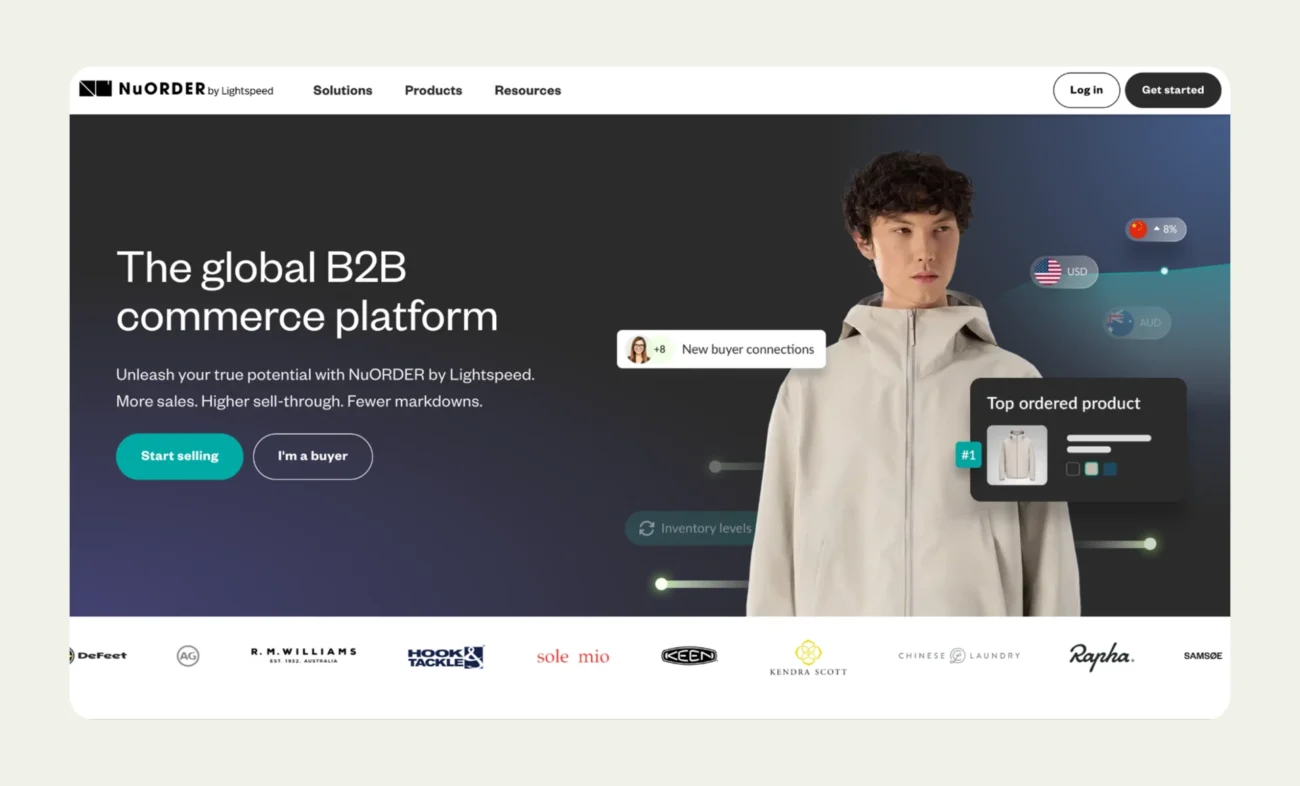
NuORDER is built for B2B wholesale commerce. The platform enables brands to create seamless digital buying experiences for their retail partners, replacing traditional paper catalogs and manual order processes with a modern, cloud-based solution.
NuORDER’s feature set is built around enabling efficient wholesale commerce:
- 24/7 online ordering with branded wholesale portal: Buyers can place orders at any time through a customized, branded interface that reflects your company’s identity
- Immersive virtual showrooms and digital catalogs: High-quality product imagery, detailed specs, and interactive browsing experiences replace traditional showroom visits
- Integrated promotional campaigns and reporting tools: Plan and execute targeted promotions, then track performance with detailed analytics
- Integrated payments with PCI-level security and settlement options: Process payments securely within the platform, reducing friction and improving cash flow
- Assortment planning tools: Supports plan assortments, collaborative assortment building, and visibility into upcoming collections across seasons
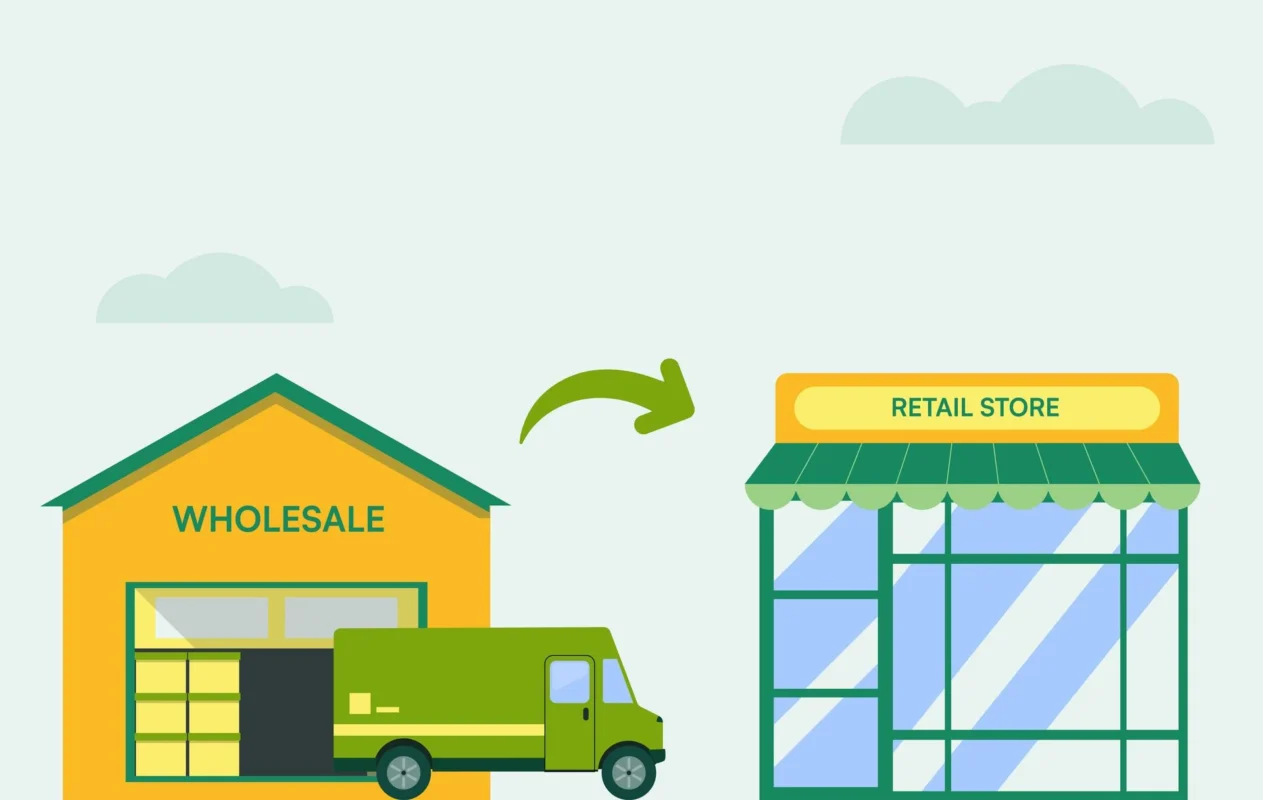
NuORDER’s strength lies in its depth and comprehensiveness for wholesale-first brands, particularly those operating in industries with seasonal buying cycles and complex product assortments. To understand where platforms like NuORDER fit into the supply chain, it is helpful to know how wholesale distribution works in practice.
NuORDER pricing in 2026: What you need to know
NuORDER pricing structure
Unlike many SaaS platforms, NuORDER does not publicly disclose its full pricing details. Instead, pricing is customized based on several factors, including brand size, annual order volume, feature requirements, and integration complexity. Prospective customers typically receive pricing after participating in a sales demo and discovery process.
Based on publicly available estimates and industry reports such as GetApp:
- Entry-level plans start around $7,000 per year for basic wholesale functionality
- One-time implementation and onboarding fees often start around $7,500, though this varies significantly depending on the complexity of your setup, data migration needs, and integration requirements
| Cost component | What it includes | Estimated cost |
| Base subscription | Core wholesale platform | ~$7000/year |
| Implementation | Setup, onboarding, data migration | ~$7,500 one-time |
| User licenses | Sales & admin seats | Variable |
| Advanced features | Reporting, APIs, promotions | Extra |
It’s important to note that these figures represent starting points. Most brands with more complex needs, larger catalogs, or higher transaction volumes will pay considerably more once all necessary features and services are included. Pricing also varies depending on whether a brand is approved for the full platform, full subscription, or limited access under the exclusive retailer partnership program.
In addition to the base fee, brands should also account for a standard implementation fee, optional ftp integrations, and whether they are purchasing a limited version of the NuORDER platform or committing to a paid subscription with additional valuable features. Requesting an accurate quote early helps determine the appropriate cost for your market size and sales model.
For a deeper look at how wholesale brands typically structure margins and pricing, explore our complete guide on pricing products for wholesale.
Licenses and add-ons
NuORDER’s pricing scales based on several variables that can significantly impact your total cost:
- Number of user licenses: Additional seats for your sales team, merchandisers, and administrators.
- Advanced reporting and analytics: More sophisticated data analysis tools and custom reporting capabilities
- Promotions and campaign tools: Enhanced promotional management features beyond basic functionality
- API access and deeper integrations: More robust integration capabilities with your existing tech stack
- Retail program access: Exclusive retail partnership program features often require higher-tier plans
- Payment flexibility limits: Flexible payment terms are limited compared to modern wholesale platforms
Many of NuORDER’s advanced capabilities are available only at higher pricing tiers, meaning brands often need to upgrade from entry-level plans to access the full power of the platform.
How NuORDER compares to WizCommerce
To help you evaluate your options, here’s how NuORDER stacks up against WizCommerce across key capabilities:
| Capability | NuORDER | WizCommerce |
| Pricing model | Custom, demo-based | Plan-led (B2B customer portal + order-taking app) |
| Onboarding | Structured, often paid | Included or minimal |
| Catalog & ordering | Advanced wholesale tools | Streamlined, modern workflows |
| Scalability | Enterprise-grade, higher cost | Highly scalable across brand sizes |
| AI capabilities | Lightspeed AI: Answers pre-defined questions | Kai: Sales co-pilot & assistant for reps that acts on custom prompts
Ella: Automates orders & quotes from emails AI-powered product discovery on B2B portals |
| Product image generation | No native tool | Native AI product image generator, WizStudio |
| User interface | User-friendly & accessible | Much more intuitive for ecommerce |
| Integration | Integrates with ERP, PLM, and POS systems | Integrates with ERPs, QuickBooks & inventory management software |
The most significant difference lies in the approach. NuORDER is built primarily for enterprise wholesale brands with complex needs and budgets to match. WizCommerce offers comparable functionality with greater flexibility for growing brands that need both B2B and B2C capabilities without the per-seat licensing pressure or lengthy implementation timelines.
Many brands evaluating NuORDER are also considering a switch, and this guide on B2B ecommerce replatforming and migration explains when and why moving platforms makes sense.
Things to know about NuORDER pricing and commitments before signing up
Before committing to NuORDER, consider these important factors that impact your total investment:
- NuORDER is positioned primarily for mid-market to enterprise brands. The platform’s feature set, pricing structure, and sales process are designed with larger organizations in mind. If you’re a smaller brand or just starting to digitize your wholesale operations, the investment may exceed what you need.
- Entry costs can be significant when onboarding, licenses, and add-ons are factored in. The advertised starting price rarely tells the complete story. Implementation fees, training costs, additional user licenses, and feature add-ons can quickly push your first-year investment well beyond the base subscription cost.
If you’re comparing multiple platforms, this breakdown of B2B ecommerce platform costs can help you benchmark NuORDER against other solutions.
- Annual contracts are common. NuORDER typically requires annual commitments, which limit flexibility if your business needs change or if the platform doesn’t meet expectations.
- The platform offers depth and robustness, but may feel complex for smaller or fast-moving brands. NuORDER’s comprehensive feature set is a strength for large organizations with dedicated teams, but it can also mean a steeper learning curve and longer time-to-value for leaner operations.
- Total cost of ownership tends to increase as teams, integrations, and reporting needs grow. As your business scales and your requirements become more sophisticated, expect your NuORDER costs to increase proportionally. Per-seat licensing means that growing your team directly impacts your subscription costs.
Also read: JOOR Vs NuORDER: Find the Right Wholesale Platform
Why do brands choose WizCommerce?
For brands evaluating wholesale platforms in 2026, WizCommerce is a compelling alternative that directly addresses challenges in enterprise-focused solutions, offering simpler onboarding, flexible pricing, faster implementation, and modern tools designed for growing wholesale teams globally.
For brands evaluating wholesale platforms in 2026, WizCommerce represents a compelling alternative that directly addresses many of the challenges users experience with enterprise-focused solutions.
WizCommerce is frequently selected by brands seeking:
Faster, simpler onboarding: WizCommerce’s implementation process is streamlined and typically includes onboarding support as part of your subscription, not as an expensive add-on. Brands can get up and running in weeks rather than months.
Flexible scaling without per-seat pricing pressure: With unlimited users on most plans, you can grow your sales team, add merchandisers, and expand your operations without worrying about each new seat adding to your monthly bill.
B2B-specialized workflows in one system: Rather than maintaining separate platforms for wholesale and direct-to-consumer sales, WizCommerce lets you manage both channels from a single interface, reducing complexity and improving data consistency.
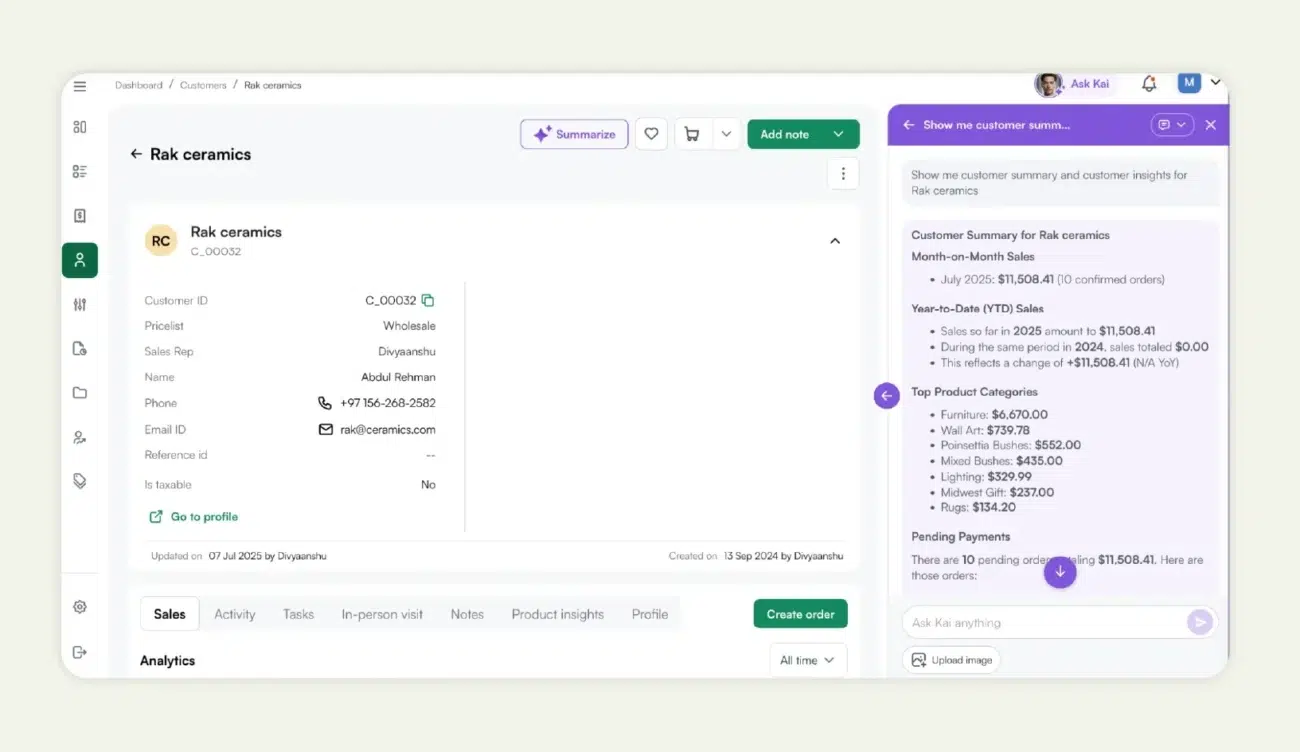
Modern AI-powered assistance via Kai and Ella: WizCommerce’s built-in AI assistants help automate routine tasks, answer buyer questions, and optimize your catalog presentation without requiring additional integrations or costly add-ons.
Strong support for growing teams without enterprise-level overhead: The platform scales elegantly from small teams to larger operations, providing enterprise-grade capabilities without the enterprise-level complexity or cost structure.
Pricing and transparency
While WizCommerce also uses quote-based pricing tailored to your specific needs, brands consistently cite two key advantages:
Clarity during the sales process: WizCommerce’s sales team provides straightforward explanations of pricing during the evaluation and onboarding process of what’s included at each tier, and how costs may evolve as your business grows. There are fewer surprise fees or mandatory add-ons.
Better alignment between cost and actual usage: The pricing structure reflects what you actually need and use, rather than forcing you into a one-size-fits-all enterprise package with features you may never implement.
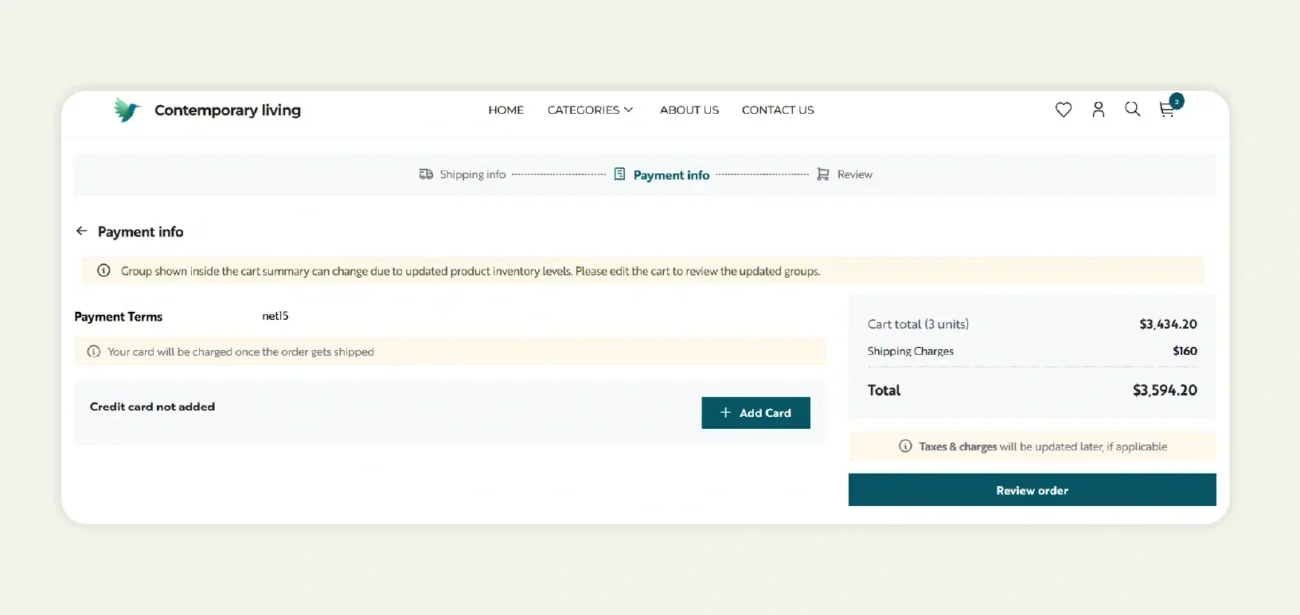
WizCommerce also supports flexible payment options, including card-on-file, payment links, credit cards, and refund credits, while allowing you to assign custom terms for each buyer, such as upfront payments, deposits, or tailored net terms.
WizCommerce stands out as a more cost-effective, unified platform with transparent pricing, easier onboarding, and built-in B2B and B2C support. For brands growing in 2026, particularly those seeking modern technology, flexible scaling, and predictable costs, WizCommerce represents an ideal choice that delivers enterprise capabilities without enterprise-level overhead. Book a demo to see how WizCommerce can work for your business.
FAQs
How much does NuORDER cost in 2026?
NuORDER costs in 2026 vary based on your brand’s specific needs, but public estimates suggest entry-level pricing starts around $7,000 per year for basic functionality. Additional costs for onboarding (often around $7,500), user licenses, advanced features, and integrations can increase your total investment significantly. Most mid-market and enterprise brands pay substantially more than the base subscription once all necessary capabilities are included.
How secure is NuORDER?
NuORDER is secure because it uses PCI-compliant payment systems and encrypted transaction workflows that meet industry standards. The platform implements standard security protocols, including encrypted data transmission, secure authentication, and regular security audits to protect both brand and buyer information.
How does NuORDER improve sales?
NuORDER improves sales by enabling 24/7 branded ordering through digital catalogs, virtual showrooms, and personalized pricing that help brands reduce administrative time and capture global orders. Buyers can browse and place orders at their convenience, access real-time inventory information, and receive personalized pricing, which streamlines the wholesale buying process and can lead to increased order frequency and volume.
Is NuORDER legit?
Yes, NuORDER is a well-established and legitimate enterprise B2B platform used by many global brands across the fashion, footwear, beauty, and home goods industries. The platform has been in operation for years and is owned by Lightspeed Commerce, a publicly traded company.
Does NuORDER offer a free trial?
Free trial is not typically part of the NuORDER standard offering, as there is no publicly available free trial option. The platform generally requires a sales consultation and demo before pricing and access are provided, though limited access or evaluation periods may be offered on a case-by-case basis during the sales process.
Can WizCommerce integrate with my existing systems?
Yes, WizCommerce can integrate with my existing systems like ERP, PIM, PLM, and accounting systems to ensure seamless data flow across your tech stack. The platform’s modern API architecture makes integration straightforward compared to legacy platforms.
What size brands is WizCommerce best suited for?
WizCommerce is best suited for a range of companies, from growing mid-market companies to established enterprises looking for a more flexible and cost-effective alternative to traditional wholesale platforms. The platform scales elegantly, making it ideal for brands that are expanding their wholesale operations or seeking to unify B2B and B2C channels.